Trip planning
What to Pack for Ethiopia: A Practical Travel Checklist
Pack for Ethiopia’s altitude, sun, rain, cultural sites, road journeys, and regional climates with this adaptable travel checklist.
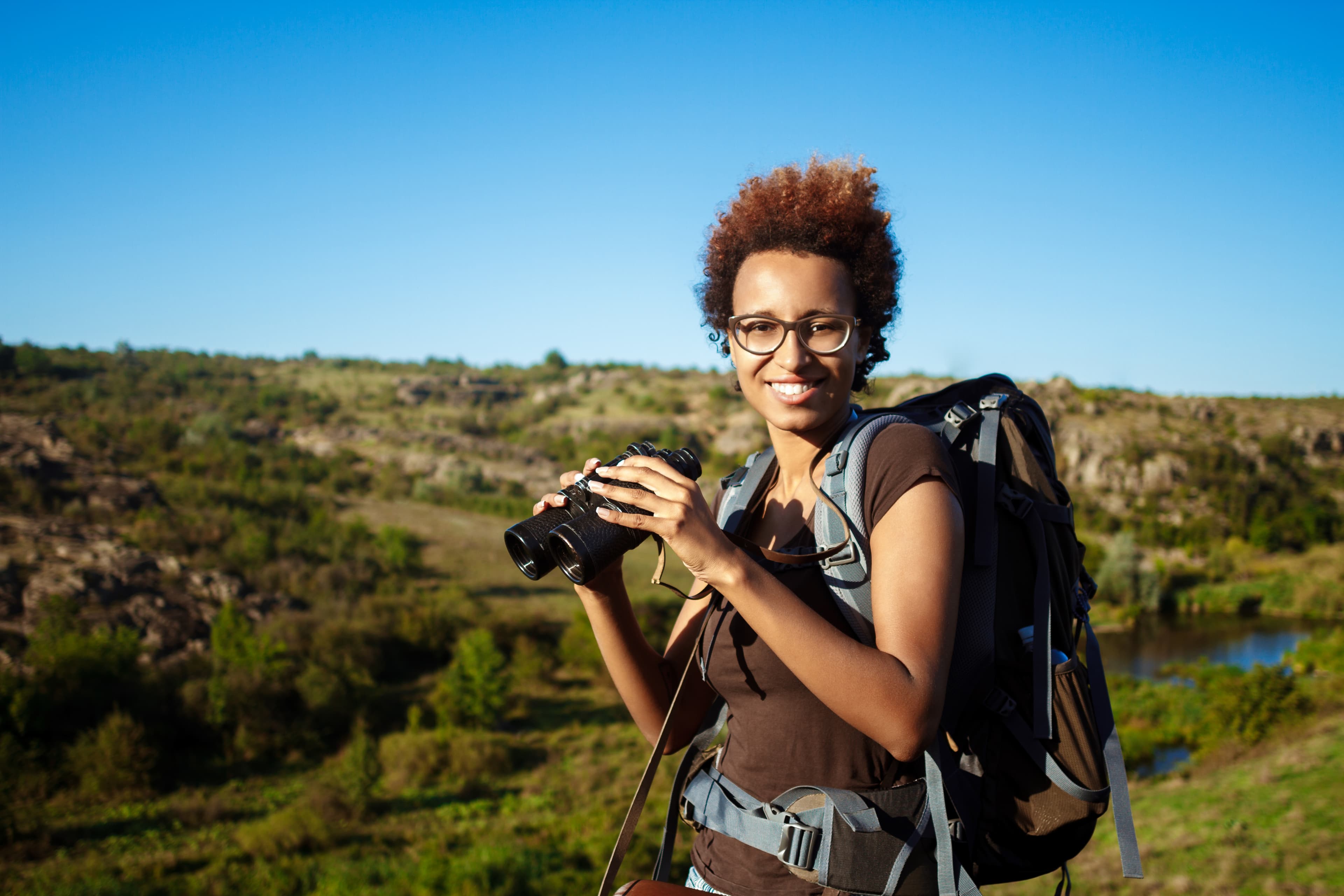
Packing for Ethiopia is mainly an exercise in layers. A single itinerary can move from cool highland mornings to strong midday sun, dusty roads, rain, and hot lowlands. Start with your exact route and season, then keep the essentials light and adaptable.
Clothing for changing elevation
Bring breathable everyday clothing plus a warm layer for highland evenings. A light insulated jacket or fleece, a compact waterproof shell, and long trousers cover many common routes. Hotter regions require loose sun-protective clothing rather than only shorts.
For churches and conservative communities, pack clothing that covers shoulders and knees. A lightweight scarf is useful for sun, dust, and religious visits.
- Breathable shirts and comfortable trousers
- Warm mid-layer and waterproof outer layer
- Modest clothing for religious and community visits
Footwear and day equipment
Comfortable walking shoes are sufficient for many cultural routes. Trekking itineraries require footwear with suitable grip that you have already worn. Pack sandals or easy-off shoes if your route includes frequent church visits.
Use a small daypack for water, sun protection, rain gear, medication, and documents. A reusable bottle, sunglasses, hat, and compact headlamp are valuable across many regions.
- Broken-in shoes
- Small daypack and reusable bottle
- Headlamp with spare power
Health and personal essentials
Carry enough prescribed medication for the full journey, with a copy of the prescription where appropriate. Add a personal first-aid kit suited to your itinerary. Discuss vaccinations, malaria risk, altitude, and other individual health needs with a qualified travel-health professional.
Sun protection and hydration matter at altitude as well as in hot areas. Hand sanitizer, tissues, and a small supply of hygiene products are useful during long drives and in remote accommodation.
Documents, power, and backups
Keep secure digital and paper copies of important travel documents. Carry more than one way to access money and do not depend on continuous mobile data outside major towns.
A power bank and universal adapter can help during long travel days. Download key bookings, maps, and contact information before leaving reliable internet access. Ask your provider what connectivity and charging to expect on remote routes.