Trip planning
Best Time to Visit Ethiopia: A Month-by-Month Guide
Choose the best season for Ethiopia based on weather, trekking conditions, festivals, landscapes, and the regions you want to explore.
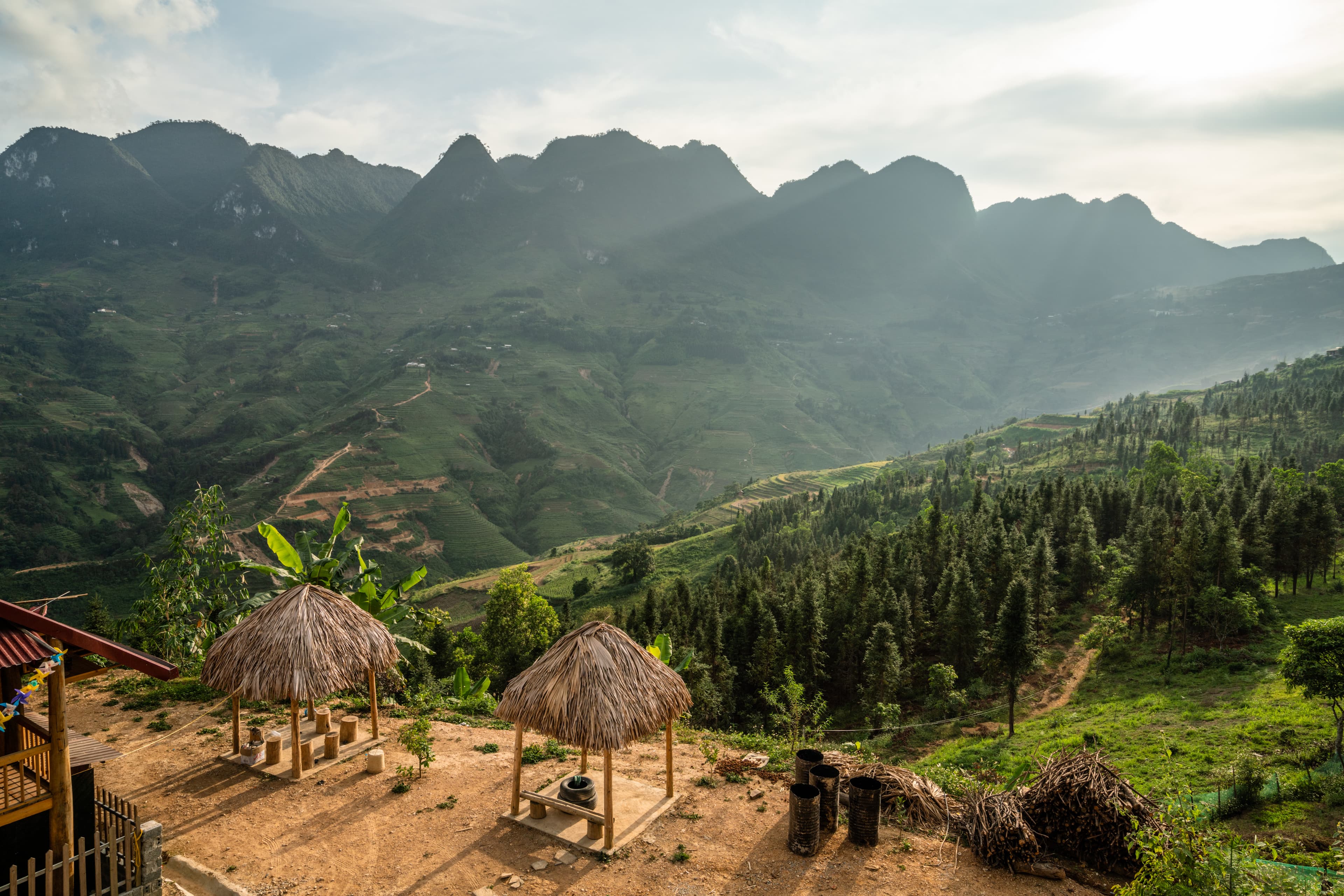
Ethiopia can be visited throughout the year, but the right month depends on where you are going. The northern highlands, the hot Danakil lowlands, and the rainy southwest do not share one climate. Use your route—not a single national forecast—to choose your dates.
October to January: clear highland days
For many first-time visitors, October through January offers the easiest conditions in Addis Ababa and the northern highlands. The main rains have usually eased, visibility is good, and daytime temperatures are comfortable at destinations such as Lalibela, Gondar, and the Simien Mountains.
This period also includes major celebrations. Ethiopian Christmas is observed in early January, while Timkat usually follows later in the month. Festival dates create memorable journeys but can also mean fuller hotels and busy transport, so reserve early.
- Good for the northern historical route
- Clearer views for highland trekking
- Book early around major religious festivals
February to May: warmer and often quieter
February and March remain strong months for highland travel. Trails are generally drier, visitor numbers may be lower than during the January festival period, and days become gradually warmer.
Short rains can arrive in parts of the country during March, April, and May. They rarely affect every region in the same way. Leave flexibility for road journeys and ask your local provider about current conditions before departing.
- Consider February or March for trekking
- Carry a light waterproof layer
- Confirm road conditions for remote routes
June to September: green season
The main rainy season affects much of the central and northern highlands from roughly June into September. Landscapes become intensely green and waterfalls grow more powerful, but cloud, rain, and rough roads can complicate hikes and long drives.
This is not a universal reason to avoid Ethiopia. The east and parts of the south follow different patterns, and the green season can reward flexible travelers. September is especially significant because Ethiopian New Year and Meskel bring public celebrations.
- Build buffer time into road itineraries
- Use waterproof luggage protection
- Do not assume conditions are identical nationwide
Match the season to the destination
For Danakil, prioritize the cooler part of the year and use an experienced operator. For the Simien and Bale Mountains, ask about trail and visibility conditions. For the Omo Valley, road access and local rain matter more than the forecast in Addis Ababa.
Before booking, compare the climate of every stop, the altitude changes, and any festival dates. A well-timed regional itinerary is more valuable than chasing one supposedly perfect month for the whole country.